Food Adventures
Every dish has a story to tell beyond the plate.
I bring place, history, and culture together in narrative features that invite readers to discover not only what we eat, but why it matters.
Greasy Fingered Bliss
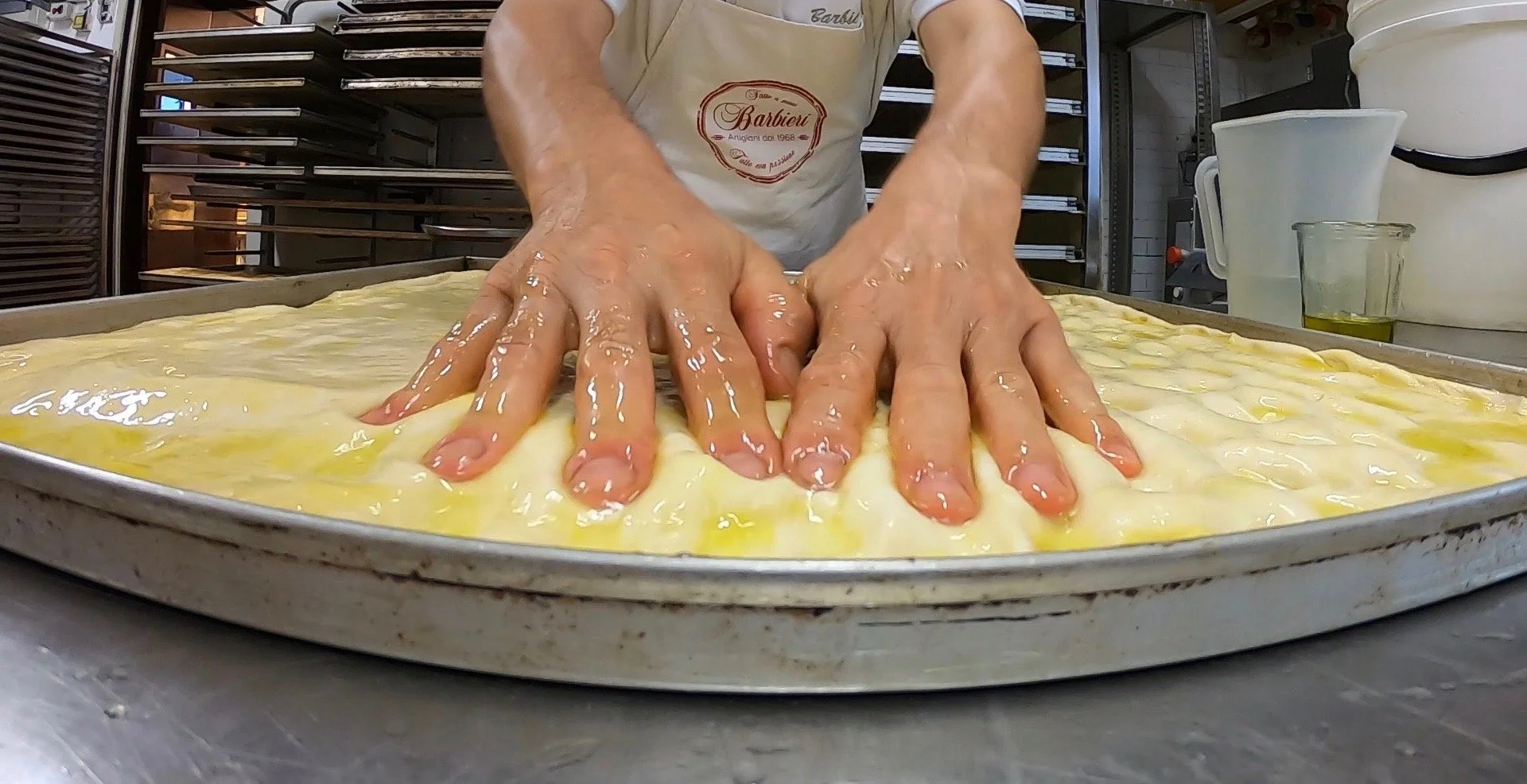
Did I ever tell you about the year I lived in Genoa?
No?
It’s a twisty tale that got me there; one that involves a New York City bus ride and a former classmate. For the sake of time and typing space, I will simply say that after a series of e-mails and a leap of faith, I found myself teaching in a school by the sea, surrounded by a gaggle of lively Italian five-year-olds. And, man, it was glorious—crayons, pesto, and all.
And though the slideshow in my mind replays many scenes from the Ligurian capital—the black and white striped marble of the Cathedral, tall green shutters on sunset colored buildings, flashes of blue from the coast—to be totally honest, I mostly find myself fixating on the crunch and crumb of the city’s most famous street food, Focaccia.
Some Like It Hot
A Pungent Dip into Traditional Piedmontese Bagna Cauda
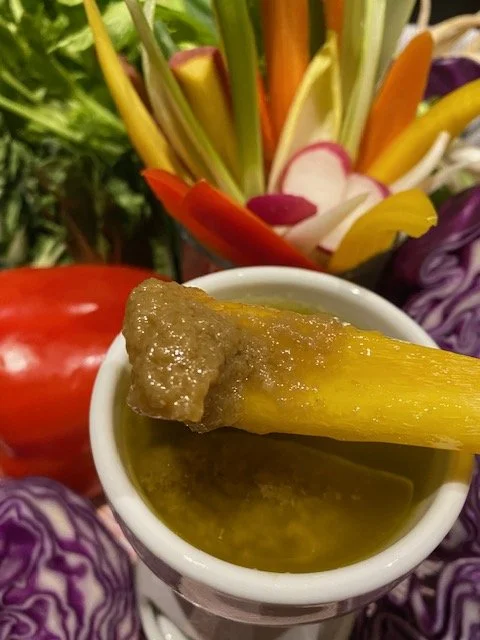
In the shadow of the Italian Alps, in the northwestern region of Piedmont, enjoying a hot bath takes on a new culinary meaning during the harvest season and winter months.
This ‘hot bath,’ la bagna cauda in Italian or bagna caôda in local dialect, is a treasured Piemontese specialty – a strong sauce made with vast amounts of garlic and anchovies that slowly meld into olive oil when heated over a low flame.
The result is an emulsion that unabashedly announces its presence and adds an umami kick to whatever is drizzled with or dunked into its aromatic depths.
Lighter than a cheese fondue and milder in taste than its uncooked cousin, the Provençal anchoyade – which the French spread on toasted bread – bagna cauda originated as a shared peasant meal, often prepared outdoors in the vineyards as an on-site snack to thaw the frigid fingers of workers who tended the vines. It is a meal forever linked to the agricultural landscape and manual laborers whose back-breaking work gave rise to the fine wines (Barolo, Barbaresco) and the edible bounty for which Piedmont is celebrated – think truffles, hazelnuts, and mountain cheeses.
The dish was traditionally served with whatever dippable edibles were had on hand: roasted Carmagnola bell pepper, boiled potatoes, braised cipolline pearl onions, wedges of cabbage, slivers of fennel, or a slice of bread. It is a prime example of la cucina povera, (what Italians call the cuisine of the poor) meals easily made from modest ingredients that most Italian peasant families had readily available.
The shared nature of the dish brings people together, especially on the chilly, fog-filled nights that settle into the region in winter. The sauce is customarily served in a terracotta burner called a fujot in dialect, which is placed at the center of a table for all to use. The garlic and anchovy blend is kept warm by a candle positioned within the bottom of the vessel. This heated presentation not only keeps the shiny emulsion from separating but also gifts the dining area with a golden, flickering glow for optimal vegetable-dunking ambiance.